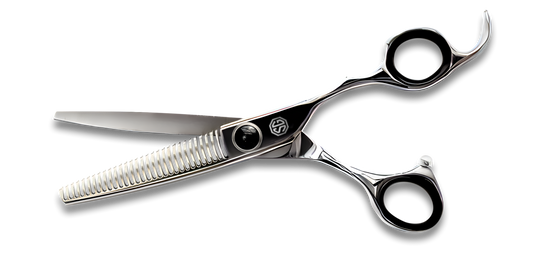
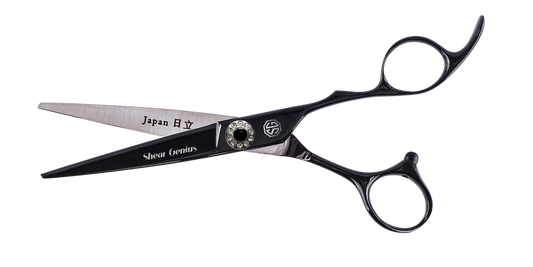
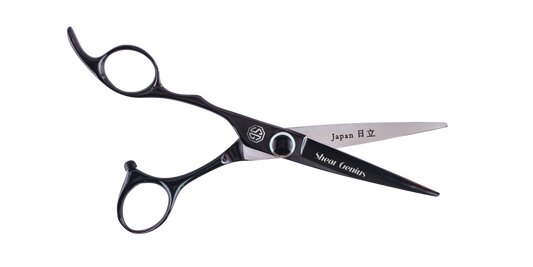
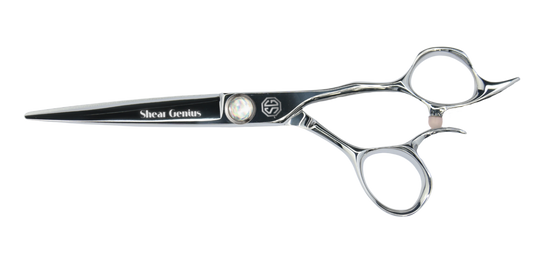
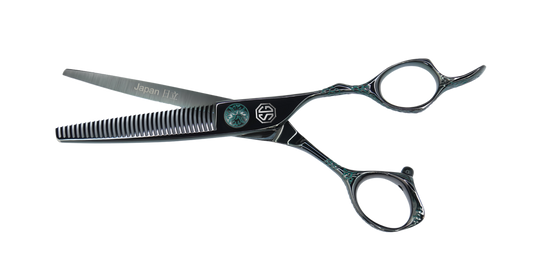
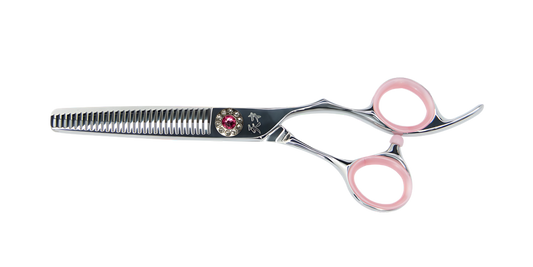
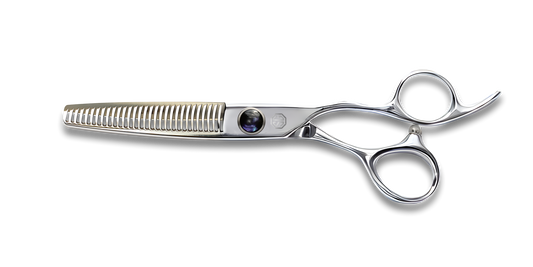
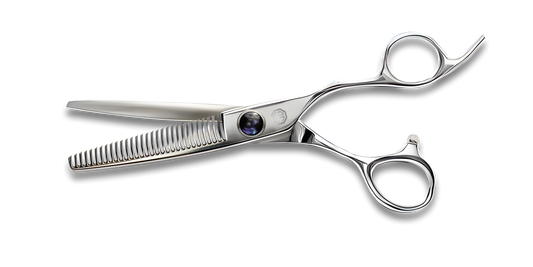
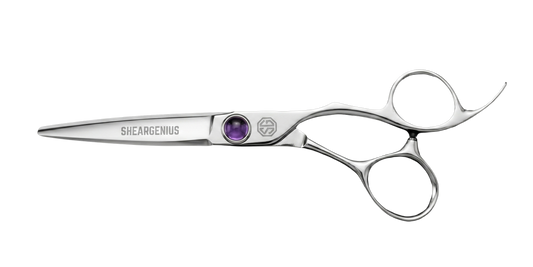
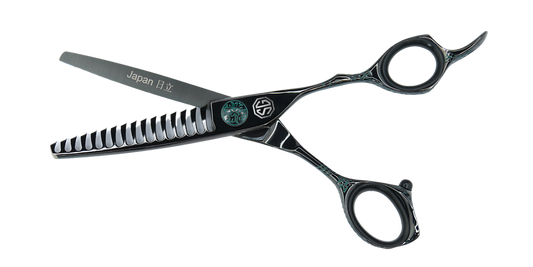
Japanese Hairdressing Scissors
Japanese Hairdressing Scissors — Hand-Finished by a Real Australian Scissorsmith
Here's what the other brands in this category won't tell you: they're marketers and resellers, not makers. ShearGenius is different. Every scissor on this page is hand-finished at the Lake Wendouree bench of Matt Grumley — a genuine Australian scissorsmith, designer and working hairdresser. Behind the bench sit 75+ years combined experience: Matt cutting hair since 1990, Aaron since 1987. When the man who finishes your scissors has also stood behind the chair, you feel it the first time you open them.

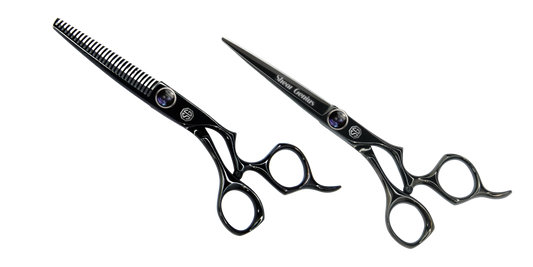
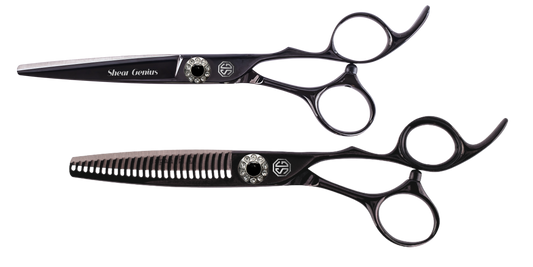
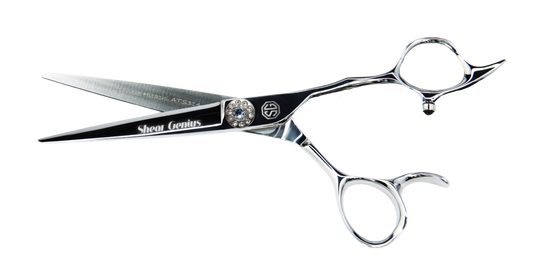
Emperor Professional Hairdressing Scissor and Thinner Bundle

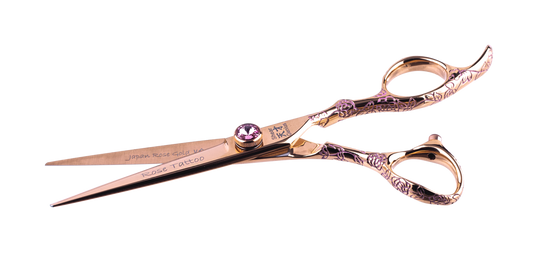
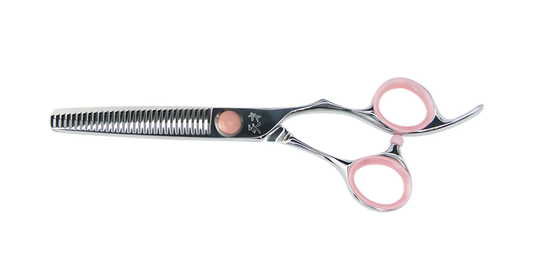
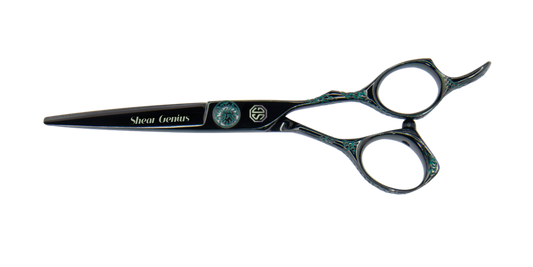
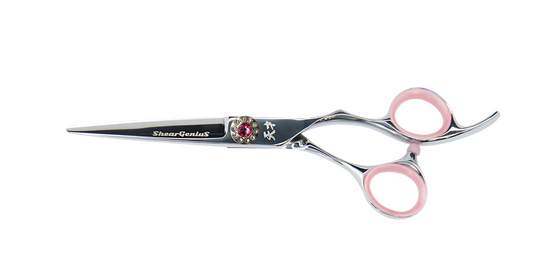
Rose Tattoo Professional Hairdressing Scissors

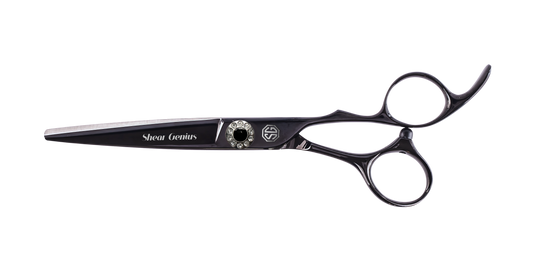
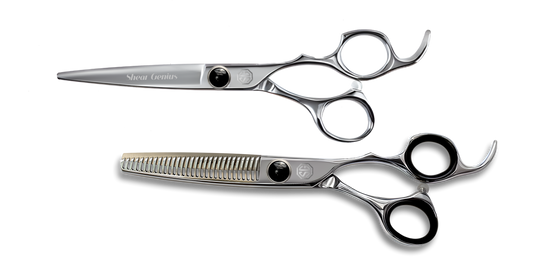
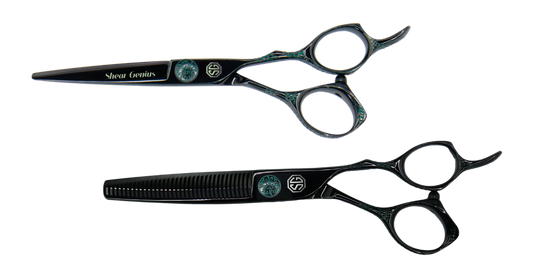
Young Genius Hairdressing Scissor and Thinner Bundle

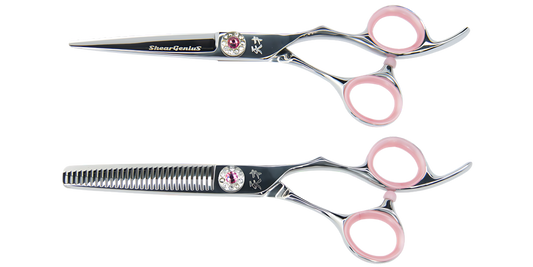
Geisha Professional Hairdressing Scissors and Thinner Bundle

Apex Bundle

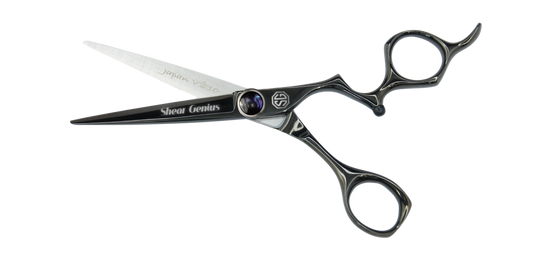
Prodigy Professional Hairdressing Scissors

Jada Professional Hairdressing Scissors

Firebird Professional Hairdressing Scissors

Prodigy Bundle

Young Genius Left-Handed Bundle

Firebird Scissor and Thinner Bundle

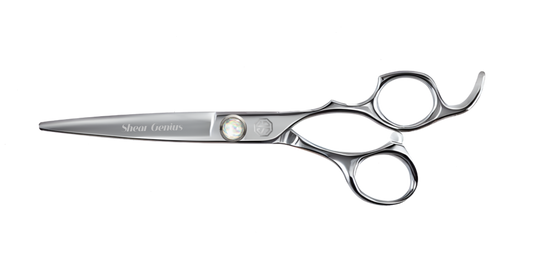
Geisha Professional Hairdressing Scissors

Diamond Bundle

Young Genius Left Handed Hairdressing Thinner

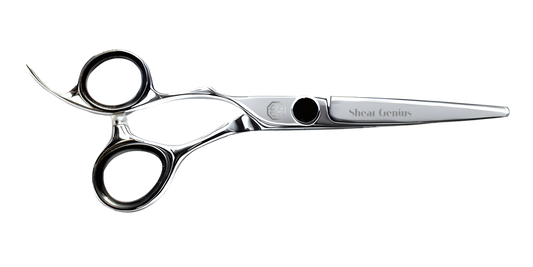
Geisha Left-Handed Professional Hairdressing Scissors

Cosmos Professional Hairdressing Scissors

Young Genius Professional Hairdressing Scissor

Young Genius Left Handed Hairdressing Scissors

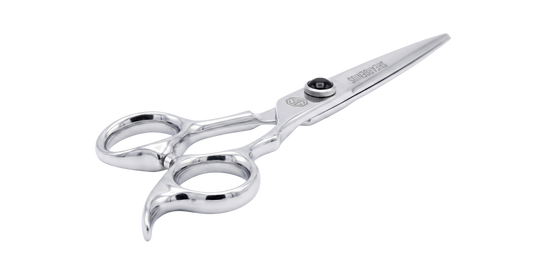
Slider Professional Hairdressing Scissors

Jada Professional Hairdressing Scissor and Thinner Bundle

Young Genius Professional Hairdressing Thinner

Apex Professional Hairdressing Texturiser

Apex Professional Hairdressing Scissors

Jada 16 Professional Hairdressing Channeller

Vampire 26 Professional Hairdressing Texturiser

Diamond Professional Hairdressing Scissors

Grace Professional Hairdressing Scissor

Vixens Professional Hairdressing Scissors

Vampire 35 Professional Hairdressing Thinner

Diamond Professional Hairdressing Texturiser

Jada Professional Hairdressing Scissor and Channeler Bundle

Firebird Professional Hairdressing Thinners

Phoenix 7" Professional Barber Shears

Prodigy Professional Hairdressing Texturiser

Rose Tattoo Professional Hairdressing Thinners

Dracula 10 Professional Hairdressing Channeller

Elite Professional Hairdressing Scissors
Elite Professional Hairdressing Thinners

Emperor Professional Hairdressing Thinners

Emperor Professional Hairdressing Scissors

Firebird Professional Channeller/Texturiser

Geisha Left Handed Scissors Bundle

Jada 35 Professional Hairdressing Thinners

Geisha Left Handed professional Hairdressing Thinners

Geisha Professional Hairdressing Thinning Scissor

Young Genius Ultimate Triple Bundle

Rose Tattoo Professional Hairdressing Scissors and Thinners Bundle

Goldie 24K Gold Professional Hairdressing Scissors
The blades are forged in Japan from premium named Japanese steel, then shipped to Australia — where Matt hand-finishes, tensions and edge-grinds them, and inspects every single pair before it ships. That's the part the resellers can't fake. This is the scissor stylists everywhere quietly reach for.
Why working hairdressers choose Japanese steel — and a real maker behind it
It starts with the maker. Matt has hand-finished and sharpened scissors his entire career — 100,000+ scissors sharpened across decades — so he knows exactly what a working edge needs at hour seven of a Saturday. He chooses premium Japanese steel because it takes and holds a fine convex edge beautifully. But steel alone is half the story. A forged blade only performs once it's finished by hand, and that's the bench work the marketers skip and Matt never does.
Each model in this collection carries its own named steel grade, listed on its product page — not a vague "Japanese-style" promise. The market is full of scissors dressed up to look Japanese while being stamped from generic stainless. These aren't those. Real Japanese hairdressing scissors carry verifiable, named steel — and ours do.
The Wendouree Finish — what happens before any scissor reaches you
A forged blade arrives raw. Matt re-grinds the convex edge on Japanese water stones through a fine grit progression, polishes the inside ride line, sets the pivot tension by hand to that specific blade pair, and runs a fold-test for a clean, quiet cut. No scissor leaves the bench until it passes, and Matt inspects every pair before it ships. This is why Australian salons say ShearGenius scissors arrive ready to cut — they're individually hand-finished at Matt's Lake Wendouree bench, never pulled from a factory box.
Find your Japanese scissor — chosen by the job it does
Every scissor here is the best in the world at its job. We don't rank them — we match them to the way you cut. Each product page carries Matt's guidance on size, steel and feel, written by someone who's actually behind a chair.
- Precision detail and slice work — a finer convex edge built for clean point-cutting and slide-cutting.
- All-day salon cutting — a balanced everyday blade that sits back in the palm to spare your wrist through a full day.
- Texturising and blending — paired thinners and texturisers to round out your kit.
- High-volume barber work — see the dedicated barber scissors collection for tougher-tempered blades built for scissor-over-comb and clipper-length hair.
- Left-handed stylists — most models come in genuine left-handed configurations: left-handed scissors.
The ShearGenius Unconditional Lifetime Guarantee
Every scissor we sell is guaranteed for life. No conditions, no fine print, no restocking fees. That's what happens when the scissorsmith who finishes your scissors also stands behind them — something a reseller simply can't offer. Need an existing scissor brought back to life? Matt runs a paid mobile sharpening service for scissors you already own, restoring a true convex edge on Japanese water stones.
Free shipping, supplier-direct pricing & SlicePay
Every order ships free Australia-wide, with express available at extra cost. Because Matt makes and finishes the range himself, you buy supplier-direct at wholesale pricing — no middlemen marking it up. Prefer to spread it out? SlicePay is ten percent today, then twenty easy weekly payments, zero interest. The scissor that thousands of stylists trust, on terms that make it easy to say yes.
Trusted by stylists across Australia
A 4.9-star average across 2,900+ verified reviews. 40,000+ scissors in working stylists' hands since 2007. These aren't bought reviews on a marketer's site — they're real stylists who cut with these every day, and once they switch, they don't go back.
Frequently asked questions about Japanese hairdressing scissors
What makes Japanese steel a strong choice for hairdressing scissors?
Premium Japanese cobalt and molybdenum steels are prized for a fine grain structure that takes and holds a clean convex edge — ideal for precision cutting. But steel is only half of it: the blade has to be finished by hand to perform. That's why a real scissorsmith finishing the edge matters as much as the steel itself.
Are ShearGenius scissors made in Japan?
The forging happens overseas with partner factories that have decades of scissor-grade steel expertise. The hand-finishing, tensioning, edge grinding, inspection and quality control all happen at Matt Grumley's bench in Lake Wendouree, Victoria. Forged in Japan, hand-finished in Australia.
What sets these apart from "Japanese-style" scissors?
Two things. First, named, verifiable Japanese steel listed on every product page — not a generic "Japanese-inspired" label. Second, a real Australian scissorsmith who hand-finishes and inspects every pair before it ships. The brands selling "Japanese-style" scissors are marketers and resellers; ShearGenius is made by an actual maker.
Can I get Japanese scissors in left-handed?
Yes — see the left-handed scissors collection. Most ShearGenius models are available in genuine left-handed configurations.
Book sharpening · Left-handed · Barber scissors · Call 0487 391 647
Precision is a choice. Professionalism is a habit. ShearGenius is your partner.
Not sure which of these suits the way you cut? Get fitted free — we look at your work and your current scissors before we recommend anything — or take the 60-second quiz.
-
Emperor Professional Hairdressing Scissor and Thinner Bundle
Regular price $580.00Regular price$780.00Sale price $580.00Sale -
Rose Tattoo Professional Hairdressing Scissors
Regular price $410.00Regular price -
Young Genius Hairdressing Scissor and Thinner Bundle
Regular price $350.00Regular price$500.00Sale price $350.00Sale -
Geisha Professional Hairdressing Scissors and Thinner Bundle
Regular price $590.00Regular price$790.00Sale price $590.00Sale -
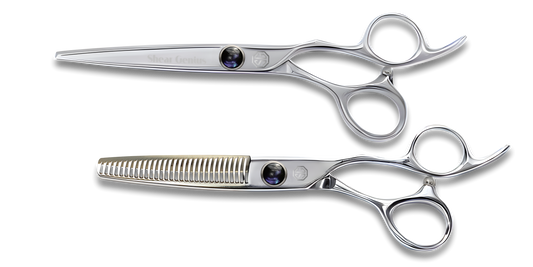
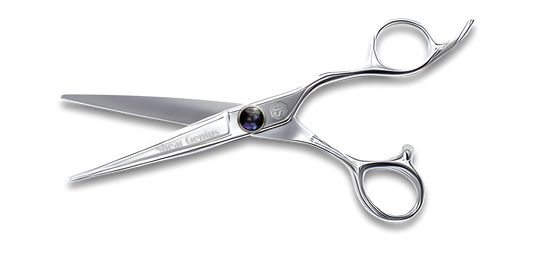 Sale
Sale -
Prodigy Professional Hairdressing Scissors
Regular price $795.00Regular price -
Jada Professional Hairdressing Scissors
Regular price $400.00Regular price -
Firebird Professional Hairdressing Scissors
Regular price $380.00Regular price -
 Sale
Sale -
-
Firebird Scissor and Thinner Bundle
Regular price $560.00Regular price$790.00Sale price $560.00Sale -
Geisha Professional Hairdressing Scissors
Regular price $395.00Regular price -
 Sale
Sale -
Young Genius Left Handed Hairdressing Thinner
Regular price $250.00Regular price -
Geisha Left-Handed Professional Hairdressing Scissors
Regular price $395.00Regular price -
Cosmos Professional Hairdressing Scissors
Regular price $695.00Regular price -
Young Genius Professional Hairdressing Scissor
Regular price $250.00Regular price$0.00Sale price $250.00 -
Young Genius Left Handed Hairdressing Scissors
Regular price $250.00Regular price -
Slider Professional Hairdressing Scissors
Regular price $480.00Regular price -
Jada Professional Hairdressing Scissor and Thinner Bundle
Regular price $600.00Regular price$800.00Sale price $600.00Sale -
Young Genius Professional Hairdressing Thinner
Regular price $250.00Regular price -
Apex Professional Hairdressing Texturiser
Regular price $495.00Regular price -
Apex Professional Hairdressing Scissors
Regular price $695.00Regular price$695.00Sale price $695.00 -
Jada 16 Professional Hairdressing Channeller
Regular price $400.00Regular price